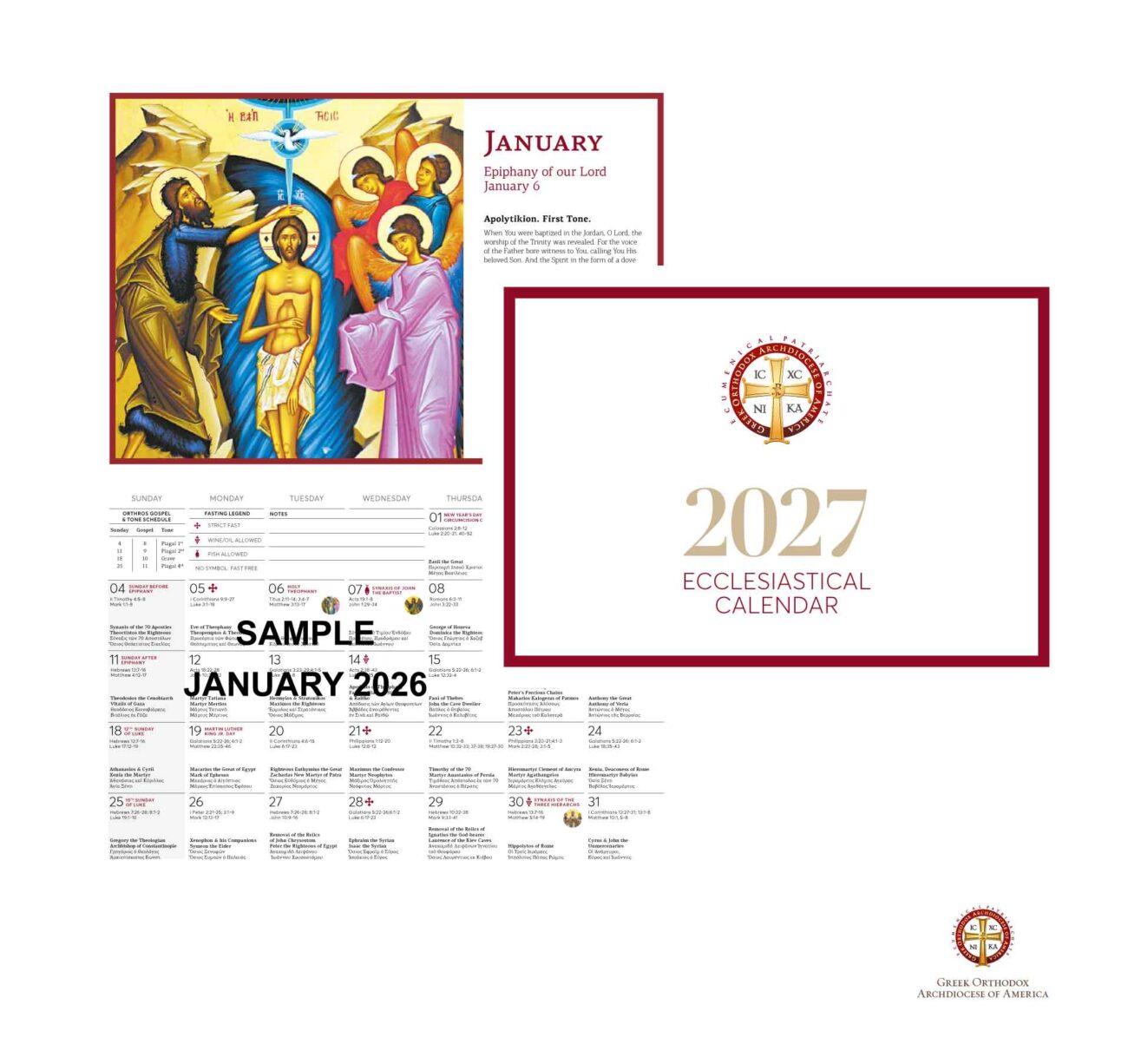
Ever wondered why the Greek Orthodox Calendar 2027 doesn’t quite match the usual dates on your phone’s calendar? Here’s the scoop: the Orthodox Church doesn’t just pick dates randomly. It follows a tradition that has been fiercely preserved for centuries. If you think Easter is always around April, get ready for a ride through shifting dates that dictate everything from fasting periods to feast days.
What Makes the Greek Orthodox Calendar Tick?
You might be surprised that the Greek Orthodox Church primarily follows the Julian calendar for its liturgical schedule, rather than the Gregorian calendar most of the world uses. This is why dates can seem out of sync. The calendar is a heartbeat of tradition — every fast, feast, and celebration meticulously timed.
- January 7 marks the celebration of Christmas — yes, different from December 25 for the West due to the calendar variance.
- The liturgical year hinges on the Orthodox Church’s official calendar, carefully maintained to keep the spirit and the sequence of religious events intact.
- The Paschal cycle (Easter and its lead-up) drives the calendar’s major festivals. You can find a breakdown of this in the Orthodox Church in America’s Paschal Cycle resource.
Key Dates in the Greek Orthodox Calendar 2027
| Date | Event | Significance |
|---|---|---|
| January 7, 2027 | Christmas Day | Celebrates the Nativity of Christ on the Julian calendar. |
| February 14, 2027 | Start of Great Lent | Beginning of fasting and spiritual preparation leading to Easter. |
| April 25, 2027 | Orthodox Easter Sunday (Expected) | Central celebration of Christ’s resurrection, date varies yearly. |
| August 15, 2027 | Dormition of Theotokos | Commemoration of the Virgin Mary’s passing and assumption. |
Understanding the Paschal Cycle Impact on 2027
Without Easter, the whole calendar falls apart in the church’s eyes. It’s the pivot point. Orthodox Easter Sunday in 2027 is expected on April 25. But why the difference from the Western date? Because Orthodox Easter calculations follow the Julian calendar and the rule that it must be after Jewish Passover. Curious? Explore detailed yearly changes on TrueCalendar’s 2027 Orthodox listings.
How the Calendar Influences Daily Life and Worship
Think about a bakery owner in Athens preparing for the Feast of the Transfiguration (August 6). The calendar tells him exactly when fasting ends and feasting begins — crucial to planning. It’s not just a list; it’s a rhythm that sets the pace of public life and personal worship.
- Fasting seasons like Great Lent or Dormition fasts mean different products hit the shelves.
- Liturgical readings and hymns rotate based on the calendar’s schedule.
- Communities coordinate festivals and parades around these sacred dates, deeply weaving calendar and culture.
According to InfoPlease’s extensive listing on Orthodox Christian holidays, this interplay between fixed feasts and moveable observances is foundational.

Source: www.shutterstock.com
Why Is the Orthodox New Year Different?
Somewhat neglected in casual chats, January 14, 2027, will be the Orthodox New Year (Old New Year). While the world cheers on January 1, Orthodox Christians mark the new year two weeks later, sticking to the Julian calendar style. This date is officially recognized even in the US, as Time and Date notes. One could say the Orthodox New Year stands as a relic and reminder of tradition fiercely held despite global calendar reforms.
Source: www.goarchprinting.org
Frequently Asked Questions About the Greek Orthodox Calendar 2027
What is the date for Orthodox Easter in 2027?
Orthodox Easter Sunday is expected to fall on April 25, 2027, according to the Orthodox liturgical calendar and traditional Paschal calculations.
Why does the Greek Orthodox Church use the Julian calendar?
The Church opts for the Julian calendar to preserve ancient traditions and align religious observances with the historical timelines established by early Church authorities. It’s also a key to keeping the Paschal calculation consistent within the Orthodox communion.
When does Great Lent start in 2027?
Great Lent is expected to begin on February 14, 2027, marking the forty-day fasting period leading up to Easter Sunday.
What are the major fixed feasts in the Greek Orthodox Calendar?
Major fixed feasts include Christmas on January 7, Theophany on January 19, and Dormition of Theotokos on August 15, each deeply embedded in the Julian calendar schedule.
How does the calendar affect everyday life in Orthodox countries?
The calendar governs fasting periods, feast days, church services, and cultural events, impacting everything from what meals are served at home to public holiday schedules and community festivals.
Disclaimer: All dates and information are based on the most recently available official sources and are subject to change. Always verify with the official institution website for the most current details.

Kurt Massey focuses on helping busy professionals elevate daily productivity through actionable organizational tips and downloadable resources like a custom printable calendar. From mapping out a high-efficiency monthly planner to building an intentional holiday schedule. Kurt Massey provides readers with the exact tools needed to turn chaotic routines into streamlined systems so that living well and working efficiently come naturally.