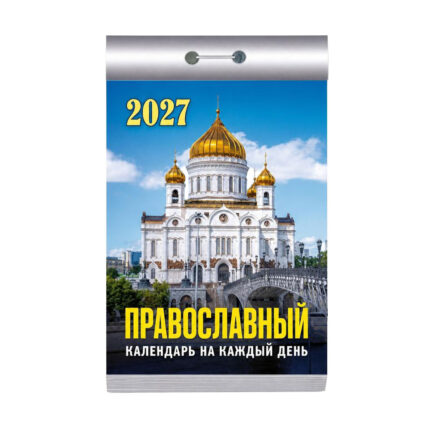
Ever wondered why your friend keeps saying Easter is on a different day? Or why some saints’ days seem to sneak past your Gregorian calendar radar? Welcome to the captivating world of the Russian Orthodox Calendar 2027. It’s a fascinating system that doesn’t just follow time but weaves centuries of tradition and faith into every date. Let’s unravel how this calendar works, highlight the key dates for 2027, and see why it matters so much.
What Makes the Russian Orthodox Calendar Unique?
First off, the big twist: the Russian Orthodox Church generally sticks to the Julian calendar, which is currently 13 days behind the Gregorian calendar used worldwide. This means that when most of us say December 25, followers of the Russian Orthodox Church are preparing to celebrate Christmas on what we call January 7. If you thought counting days was straightforward, think again.
- This offset isn’t random; it’s a deliberate preservation of tradition, confirmed by the Russian Orthodox Church’s Calendar System. Changing it would be like swapping out the root of their liturgical identity.
- The Julian calendar follows a leap year rule that differs slightly, so the gap between these calendars will continue to widen over centuries.
Rough Highlights: Key Russian Orthodox Dates for 2027
Now, you might want a handy guide for the big moments when you’re invited over or attending your local parish. And yes, these dates do shift from year to year because some festivals are movable.

Source: www.russischewinkel.nl
Important Fixed Feast Days
| Date (Julian Calendar) | Gregorian Equivalent 2027 | Feast |
|---|---|---|
| December 25 | January 7, 2027 | Christmas (Nativity of Christ) |
| January 6 | January 19, 2027 | Theophany (Baptism of Christ) |
| February 15 | February 28, 2027 | Presentation of Jesus at the Temple |
Movable Feast Days in 2027
The crown jewel of the Orthodox calendar is the Pascha (Easter), which uses a complex formula based on lunar cycles and the vernal equinox—but calculated using the Julian calendar. Expect Pascha in 2027 to fall on April 11 (Gregorian). This date then affects the timing of surrounding festivals:
- Holy Week begins the Sunday before Easter, featuring intense liturgical ceremonies.
- Ascension Day happens 40 days after Pascha, which means May 20, 2027.
- Pentecost, celebrated 50 days after Pascha, falls on May 30, 2027.
- For a detailed rundown of these movable feasts, the official prayer corner on movable feasts offers exact calculations and explanations.
Why Should You Care About the Russian Orthodox Calendar 2027?
Imagine you’re running a cultural event or organizing interfaith dialogue. Knowing this calendar means you can avoid awkward scheduling blunders (like hosting a party on a sacred fasting day). Plus, it’s a window into a tradition that’s stood firm despite political upheavals and societal changes.
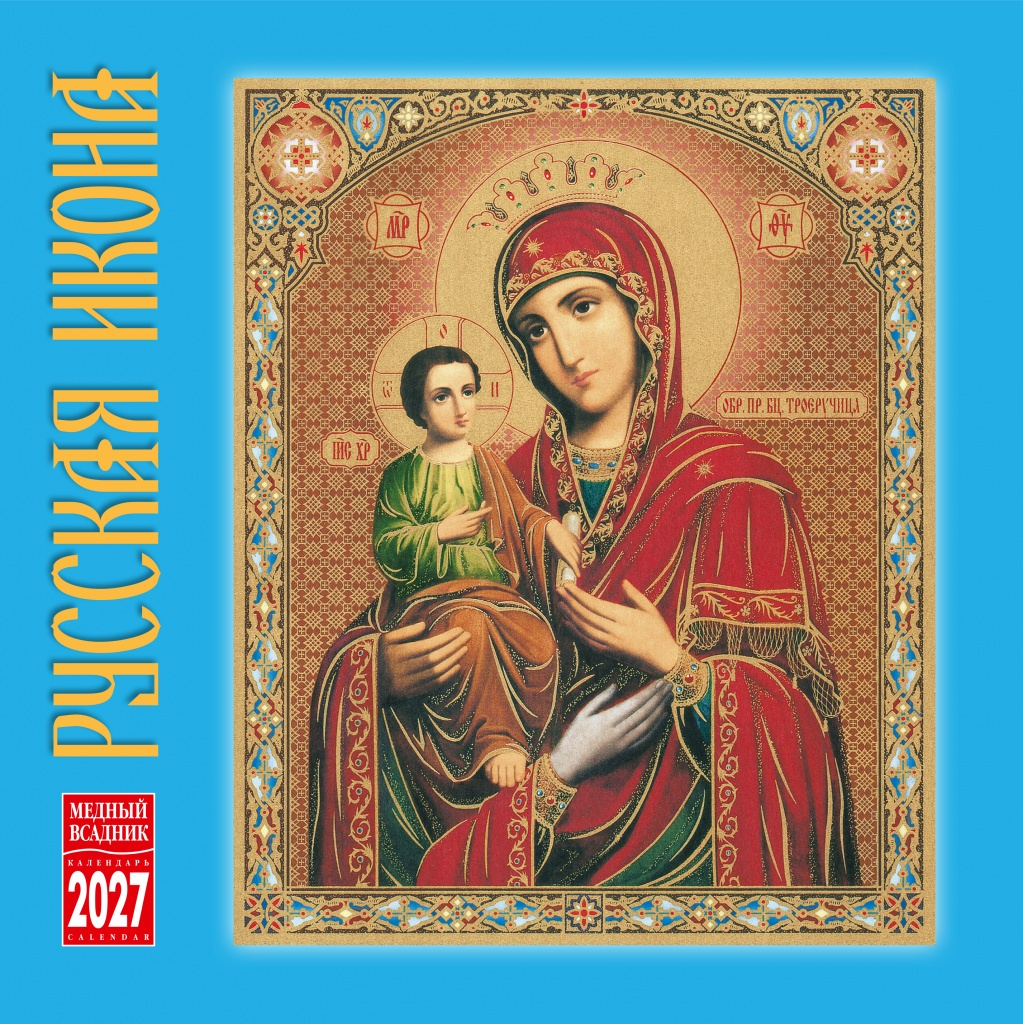
Source: ruslania.com
- If you want a comprehensive list of the Russian Orthodox feast days through the decades, InfoPlease archives have a robust collection curated with academic rigor.
- Those interested in how these dates impact public holidays in Russia and other Orthodox countries can find empirical data and policy outlines at sites like Greek Orthodox Archdiocese’s calendar explanation — reflecting pan-Orthodox consensus.
The Intricacies Behind the Scenes
The calendar isn’t just dates slapped together; it’s the pulse of liturgical life. For example, fasting periods such as Great Lent or the Nativity Fast aren’t mere formalities — they shape what millions eat, how communities gather, even how time itself feels for believers.
Plus, the role of saints’ commemorations, like the Feast of St. Innocent, can be deeply local or massive in scale. Actually, the St. Innocent Press calendar even offers customizable wall calendars, showing just how much these observances mean in everyday life.

Source: www.istockphoto.com
FAQ: What You Were Too Curious to Ask
Why does Russian Orthodox Easter differ from Western Easter?
Orthodox Easter uses the Julian calendar to calculate the Paschal full moon and insists Easter occur after Jewish Passover to align with biblical tradition. This often means a different date than the Western Gregorian Easter, sometimes by a week or more.
Are all Russian Orthodox feasts on fixed dates?
Nope. While many key celebrations are fixed by the Julian calendar, major events like Pascha and its related feasts move depending on lunar cycles.
Will the Russian Orthodox Church ever adopt the Gregorian calendar?
It’s possible but unlikely soon. The 13-day difference is part of their cultural and spiritual identity, and altering it would disrupt centuries of tradition, as explained in the official church discussions.
Can laypeople easily follow the Russian Orthodox Calendar?
Yes, many parishes publish yearly calendars and apps. Plus, sites like Orthocal.info provide daily liturgical readings and saint commemorations aligned with the Julian dates.
What’s the significance of the 13-day difference?
It’s simply the amount the Julian calendar currently lags behind the Gregorian due to different leap year calculations. This gap has grown to 13 days since the calendar reform in 1582.
Disclaimer: All dates and information are based on the most recently available official sources and are subject to change. Always verify with the official institution website for the most current details.

Kurt Massey focuses on helping busy professionals elevate daily productivity through actionable organizational tips and downloadable resources like a custom printable calendar. From mapping out a high-efficiency monthly planner to building an intentional holiday schedule. Kurt Massey provides readers with the exact tools needed to turn chaotic routines into streamlined systems so that living well and working efficiently come naturally.